
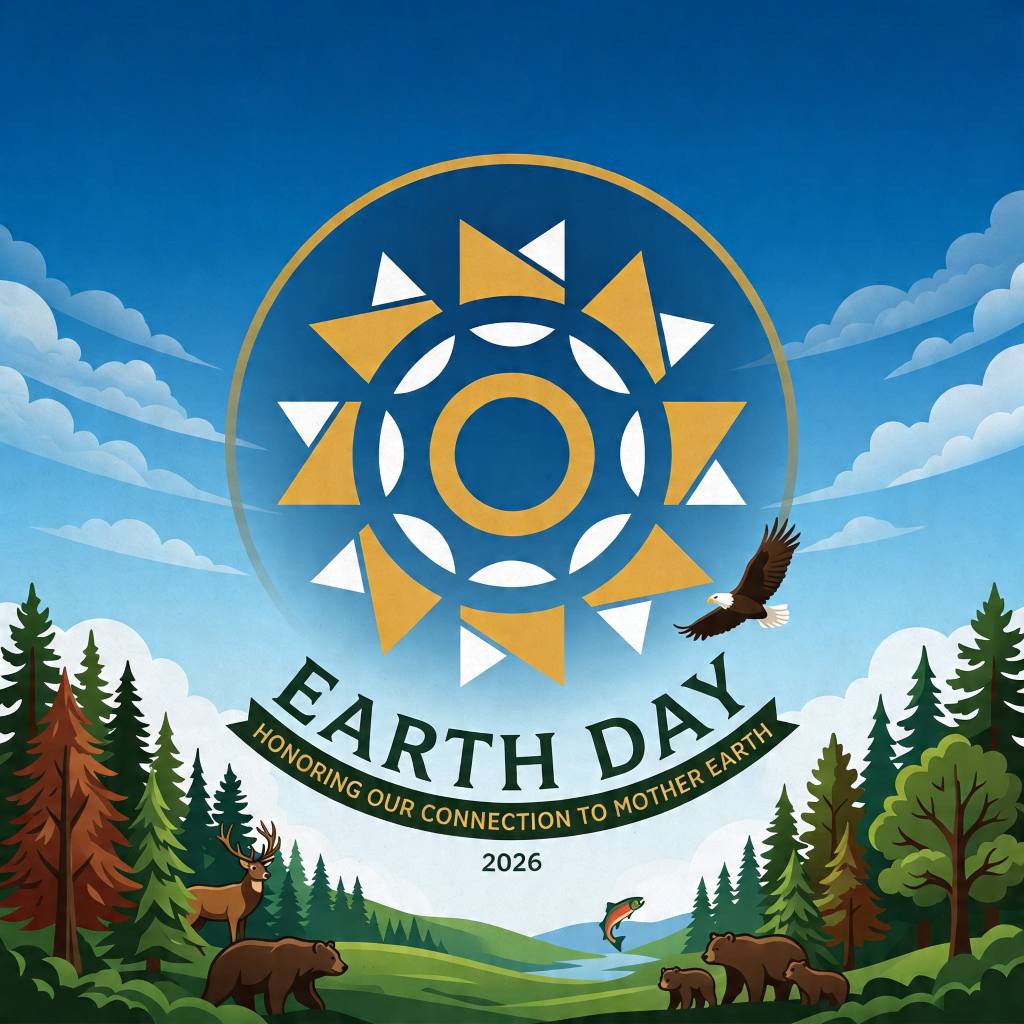
Earth Day is Every Day for Native People
Each year, Earth Day invites the world to reflect on our relationship with Mother Earth, to consider how we care for her, how we depend on her for survival, and how we can protect her for future generations. For Native communities, however, this reflection is not reserved for a single day. It is a lifelong responsibility rooted in cultural identity, spiritual belief, and ancestral knowledge that has been passed down from countless generations.
Long before Earth Day was established in 1970, Indigenous peoples across what is known today as North America lived according to principles that centered respect for nature. The land is not viewed as a resource to be extracted, but as a sacred relative in which we persevered to live in harmony with. This worldview is often expressed through teachings about balance, reciprocity, and interconnectedness. What we take, we must replenish. How we act, we must consider seven generations ahead.
Earth Day, in this context, is both a celebration and a reminder. It affirms what Native communities have always known that the health of the Earth is inseparable from the health of the people. It also highlights the urgency of protecting lands, waters, and ecosystems that continue to face disproportionate threats, many of which directly impact Tribal Nations.
For organizations like Tribal Energy Alternatives, Earth Day carries added significance. It represents an opportunity to uplift Indigenous leadership in climate solutions and renewable energy. Tribal communities are not only on the frontlines of environmental challenges; we are also at the forefront of innovation, resilience, and sustainability. In the first quarter of 2026, TEA has trained 26 tribal individuals, engaged with 30+ tribal nations, and allocated 3.2 million in funding for tribal renewable energy projects. By advancing clean energy projects, workforce development, and energy sovereignty, Native led initiatives are helping to restore balance in ways that honor both tradition and progress.
At its core, Earth Day aligns deeply with Indigenous values, respect for the natural world, responsibility to future generations, and the understanding that we are all interconnected. As we mark this day, we are called not only to reflect, but to act, to listen to Indigenous voices, support Native led solutions and commit to a future where the Earth is treated with respect and reverence, as was taught to us by our ancestors before us.
Because for Native communities, every day is Earth Day. ograms like the Tribal Solar Accelerator Fund, TEA provides funding, technical assistance, and strategic support to help Tribes achieve energy self-determination and climate resilience.